Vulnerability and Hope
Why we fear quiet in the climate space

I go to Comrie every year with a dear friend. It’s a quiet, time-rich holiday and I always feel slightly anxious about it beforehand, that ‘elevator’ shift from a busy working/caring life to having space in my brain - who knows where I’ll go when I have time to think? My friend and I have known each other for years, so it’s an easy chat; we walk a lot, read and go to bed early, we stay in a Landmark Trust property with no wifi and no TV.
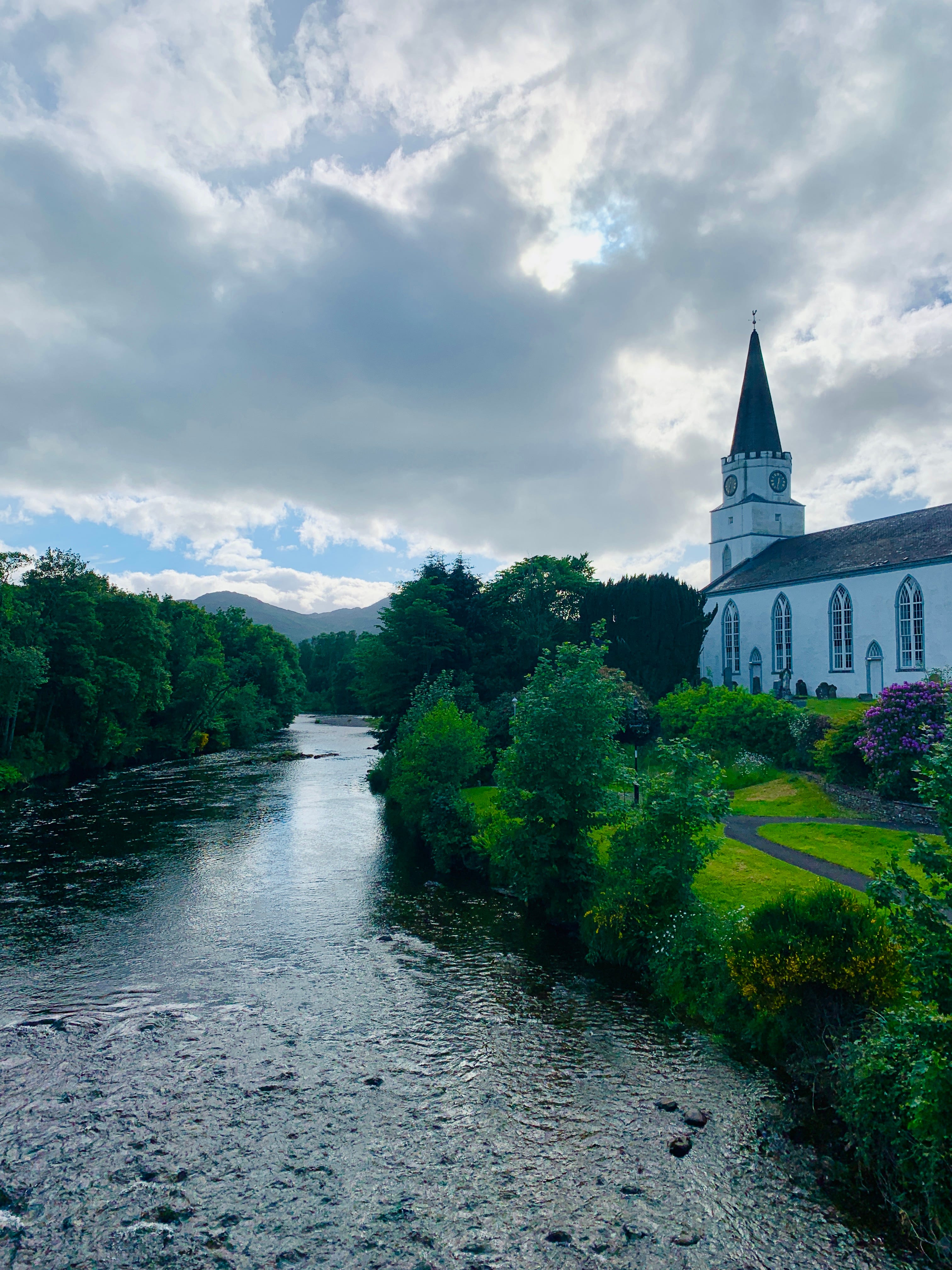
Yet climate change is impossible to ignore, here on the banks of the River Earn. For a couple of years now, significant work has been taking place to strengthen the flood defences; this year it’s impossible to walk by the river. ‘Green’ bioengineering is being used to shore up the banks (with tree trunks and rootballs), which not only slows erosion but provides habitat for aquatic life. Comrie itself is a village of ‘proper’ shops - baker, greengrocer, butcher, deli - with local produce, some of it grown down the road at Comrie Croft, which describes itself as, “a farm reimagined for you and nature”. A far cry from home in the Dearne Valley, also prone to flooding, where as far as I can tell, climate change and biodiversity loss isn’t acknowledged in a public discourse centred on, ‘why is the road closed?’
And, actually, I get it, because it’s literally terrifying to be reminded of climate and biodiversity change all the time. Not just the actuality but the inexorability of it, the vulnerability of this creeping threat. Best to pretend it’s not happening…which is what I did for the longest time.
Researching what’s happening on the riverbanks here in Comrie has given me pause. It’s a different kind of strength, not just the rigidity of a concrete wall but a living defence. The ‘root wad revetments’ (actual name for the rootball thing) is a nature-centric approach that accepts the power of the river and works with it, using organic vulnerability to create stability.
The flood defence works meant that I couldn’t get down to the riverbank with my morning coffee yesterday, so I sat above it in the old graveyard, where I could still hear the river. A graveyard is where we stop fighting the inevitable, much like the riverbank defences. It’s a landscape of loss which has been held, tended and turned into something peaceful.
In the Dearne Valley, we focus on the closed road because the alternative - asking ‘what is happening in our world?’ - feels too heavy to carry. It’s a denial which makes pragmatic sense - for now. But hope isn’t found there. Real hope doesn’t come from building higher walls of denial but from that same 'rootball’ philosophy; planting ourselves firmly in the truth of our vulnerability and finding a way to grow through it anyway.
Walking through the graveyard yesterday, my ‘elevator shift’ finally hit the ground floor. In that stillness, I recognised that my fear of the changing climate comes from the same place as my fear of silence and thinking space - a loss of control. Standing amidst the old stones, I reflected on a different path - moving from the brittle vulnerability of fear to the grounded hope which begins with simply acknowledging where we are.