Thinking in Systems
More people are finally catching on to the idea that nature-centric systems are the way to design life.

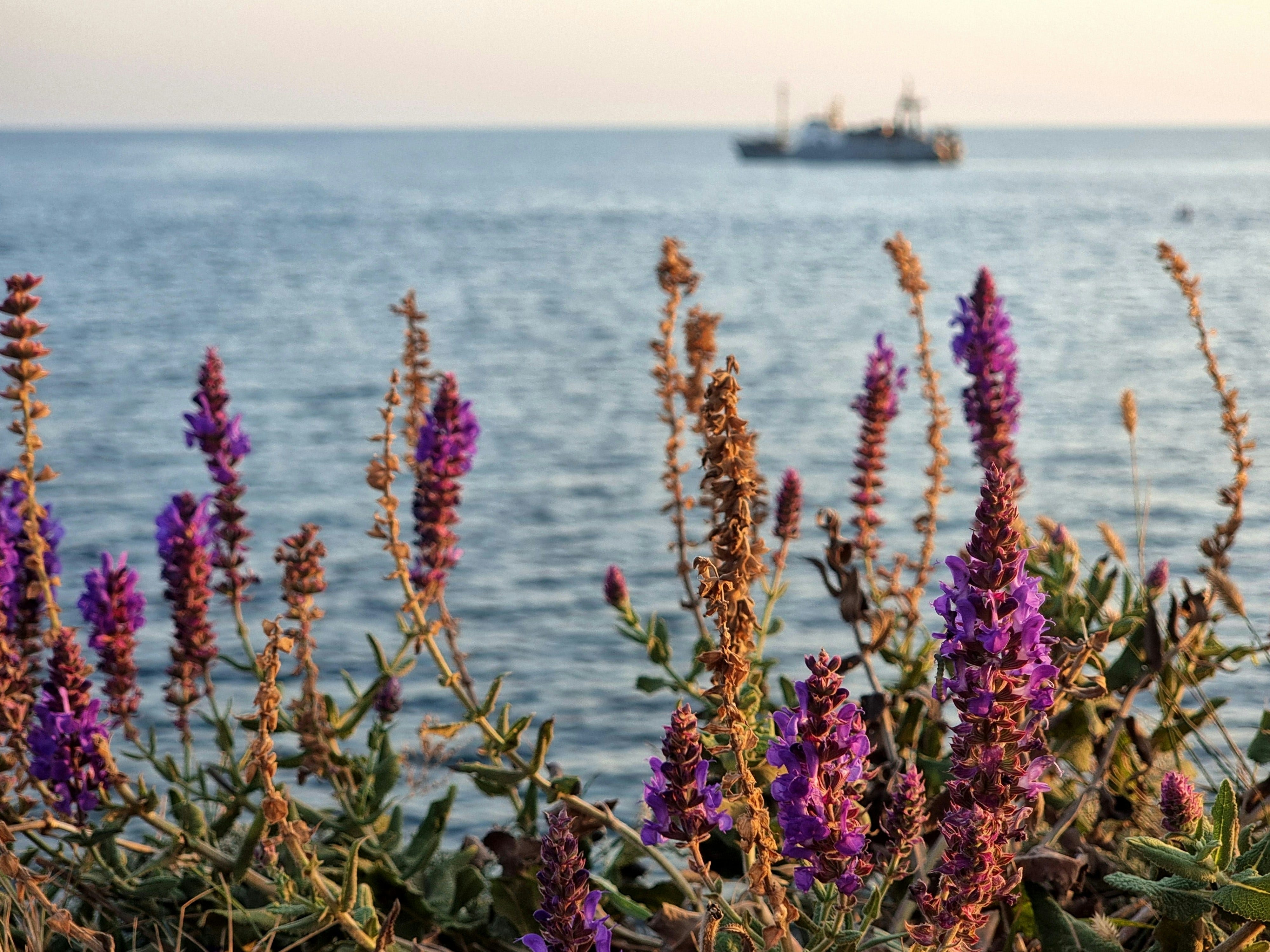
As I’ve been writing my book over the past few weeks, I’ve found myself immersed in systems thinking. As with values, assumptions and dodgy practice, once you start looking for systems you start to see them everywhere.
Donella Meadows was writing her masterpiece, ‘Thinking in Systems’, when she died in 2001 and her colleagues completed the work. It was published nearly twenty years ago. I can’t lie, it’s a massive book but at its heart is a clear caution: we cannot completely control or predict systems, we can only learn to ‘dance’ with them. Donella was an environmentalist, so it’s no surprise that she recommends aligning our systems with principles of nature, designing for resilience (rather than efficiency) and staying humble in the face of complexity.
Problem is, we don’t often get to design systems, only retrofit them.
Problem is, we see systems in terms of mechanical elements and not the energy that animates them.
My business is changemaking and changemaking is just as much an energy as it is a set of skills. When that energy meets an immovable structure - well, there’s theoretical physics in there somewhere but if the energy is truly unstoppable, we have a paradox. The energy has to be stopped, the structure has to move, or both. Never neither.
Mostly, our structures arrest the energy of changemaking, because it takes a lot for energy to be unstoppable. Momentum stalls, people give up, or they move on. Our structures have been there for a long time. Chains of command, siloed departments, the way we run meetings, who is more important than whom…we might tinker with the detail but the essential concepts remain the same. A Teams meeting is still a meeting and they happen as often as they used to. We have internalised how things have to be. The survival of the organisation still takes up most of the energy of the work.
Nature operates like that sometimes (the fox will always eat the rabbit) but it’s much more co-operative than we humans are. Natural cycles that don’t need a job description, PDRs and lines of management to keep in place. Without human intervention, there’s a natural balance. Nature flexes and adapts to the fire and flood. That’s the sort of resilience our systems need; it’s resilience as a green skill.
In the two years since the end of the funded Green Changemakers pilot, when we worked with 40 Green Changemakers across 18 colleges in Warwickshire and the West Midlands, we’ve had the opportunity to tailor the intervention to different colleges and college groups. It’s a delight to discover different ways of dancing with systems, to bring the dual operating system of OS1 (systems, structures, processes and hierarchies) and OS2 (culture, mindset, changemaking) into tandem.
Some colleges have a receptive culture, but work on systems is needed.
Some colleges have receptive systems, but work on culture is needed.
Some colleges have a mix of both.
It’s a genuine privilege to be invited in, with a Green Changemakers approach, recruiting 3% of the workforce to be the initial cohort, then working with the organisation to ripple the energy out to the tipping point we need for the sea change.
There’s much that is glorious in this ambitious and far-reaching work, that I won’t try to capture in this short blog about the mechanics of systems. Now the book is drafted and out for comment, I’m blogging again and I’ll pick up more. Returning to the West Midlands over the past few days has been illuminating, chatting with pioneer Green Changemakers about what has been changing and what’s getting in the way of the dance.
Later in the summer, we enter a new phase with Green Changemakers CIC. I’m really excited to begin to unpack and better articulate how we do what we do and how we can continue to gather momentum for this work that the world needs.